

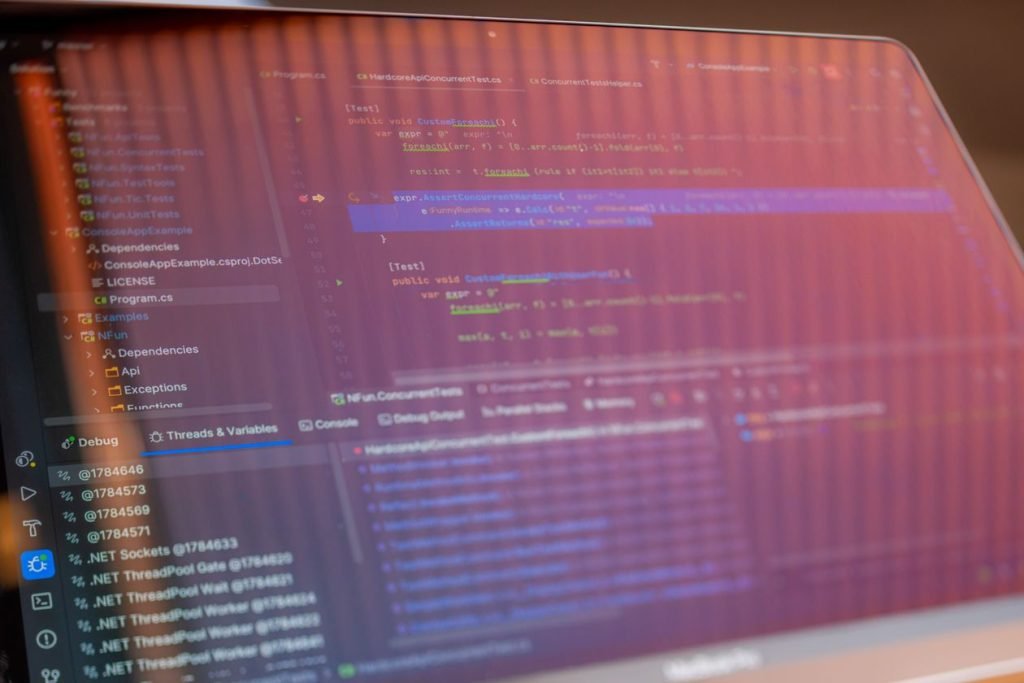
Top Programming Languages to Learn for Software Development Careers
Top Programming Languages to Learn for Software Development Careers is a commercial-intent topic for learners comparing practical training paths and job-relevant skills. The most useful approach is to connect every technology with hands-on work, portfolio evidence, and a realistic career outcome.
Python for Versatile Development
Python is useful for backend services, automation, data-related work, scripting, and web development. A career path can combine it with Django or FastAPI, SQL, APIs, testing, and cloud deployment.
Java for Structured Applications
Java is a strong choice for object-oriented programming, backend services, and full-stack applications. A practical path can include Spring Boot, SQL, REST APIs, testing, and frontend integration.
JavaScript and TypeScript for Web Development
JavaScript is central to browser development and can also be used on servers. TypeScript adds static type checking and is useful for larger codebases.

C# for Application Development
C# is a useful option for developers interested in the .NET ecosystem, backend services, web applications, and Microsoft-oriented environments.
Go and Other Specialized Choices
Go, Rust, Kotlin, and Swift can be excellent choices for specific goals. Beginners should avoid switching constantly before gaining depth in one language and ecosystem.
How to Choose
Compare each language with the work you want to do: frontend, backend, full stack, mobile, data, automation, or systems. Then build projects long enough to develop genuine fluency.
How to Turn Learning Into Career Progress
Learning becomes commercially valuable when you can apply it consistently. Create a weekly practice schedule, build projects with clear requirements, publish your work, and review what you would improve in a second version. Focus on outcomes another person can inspect: working features, readable code, documented APIs, tests, and deployed applications.
If you are choosing a professional training program, compare the curriculum with your target role. Check whether it includes practical assignments, project reviews, modern workflows, mentor support, and opportunities to explain your work. A course should reduce confusion while still requiring independent problem solving.
For a BOFU reader, the final decision should be based on fit. Look for a path that matches your current level, the technologies you want to use, the projects you want to build, and the career outcome you are targeting.
Conclusion
Top Programming Languages to Learn for Software Development Careers should ultimately help you make a practical learning decision. Prioritize strong fundamentals, project work, testing, deployment, collaboration, and portfolio evidence. The best next step is a structured path that turns knowledge into demonstrable skills.
Ready to Build Job-Relevant Skills?
Choose a practical training path that combines structured learning, hands-on projects, mentor guidance, and career-focused development.