

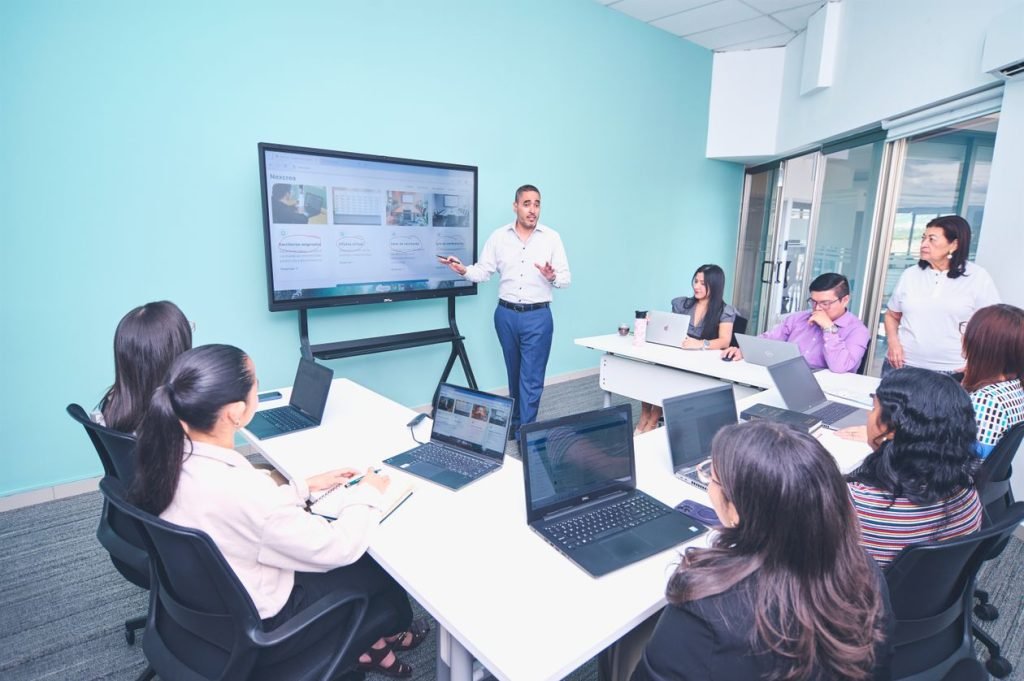
Top 10 Reasons Why to Choose Corporate Training
Discover how corporate training can strengthen employee skills,
improve productivity, develop leadership capabilities and help
organizations achieve sustainable business growth.
In today’s competitive business environment, companies cannot
depend only on technology, infrastructure or business strategies
to achieve long-term success. A skilled and capable workforce is
equally important. As technologies, customer expectations and
workplace requirements continue to change, employees need
continuous opportunities to improve their knowledge and skills.
This is where corporate training becomes an
important investment. A well-planned corporate training program
can help organizations improve employee performance, strengthen
leadership, close skill gaps and create a more productive
workplace.
Whether your organization needs technical training, leadership
development, communication training, sales training, team
development or customized employee programs, choosing the right
corporate training partner can make a significant difference.
1. Improve Employee Skills
One of the biggest reasons to choose corporate training is to
improve employee skills. Employees may have different levels of
experience and knowledge, and organizations often need specific
capabilities to meet their business objectives.
Structured training gives employees the opportunity to develop
technical, professional and interpersonal skills that are directly
relevant to their roles. This can help them perform their daily
responsibilities with greater confidence and efficiency.
2. Increase Employee Productivity
Training can help employees understand better ways to perform
their tasks and use workplace tools effectively. When employees
know the right processes and techniques, they can spend less time
dealing with avoidable mistakes and inefficiencies.
A focused corporate training program can therefore support better
productivity while helping teams work toward measurable business
objectives.
3. Close Critical Skill Gaps
Skill gaps can become a major challenge when businesses adopt new
technologies, processes or strategies. Employees may understand
their existing responsibilities but lack the skills required for
new business requirements.
Corporate training provides an opportunity to identify these gaps
and create targeted learning programs. Instead of using a
one-size-fits-all approach, organizations can select training
based on departments, job roles and business requirements.
4. Develop Stronger Leaders
Effective leadership is essential for building high-performing
teams. Managers and future leaders need more than technical
knowledge. They also need communication, decision-making,
delegation, conflict-management and people-management skills.
Leadership development programs help organizations prepare
managers and potential leaders to take greater responsibility and
guide teams effectively.
5. Improve Teamwork and Communication
Communication problems can affect collaboration, productivity and
employee relationships. Corporate training can help employees
develop stronger communication and teamwork capabilities.
Workshops, group activities, role-playing and practical exercises
can encourage employees to communicate more clearly, collaborate
effectively and solve workplace problems together.
6. Prepare Employees for New Technology
Technology continues to change how businesses operate. New
software, artificial intelligence tools, digital platforms and
automated processes can create opportunities while also creating
new learning requirements.
Corporate technical training helps employees understand and adopt
new tools more effectively. This can make technology investments
more valuable because employees are better prepared to use the
systems introduced by the organization.
7. Build Employee Confidence
Employees who receive appropriate training are better equipped to
handle new responsibilities and workplace challenges. Learning
new skills can improve confidence and encourage employees to take
greater ownership of their work.
Practical training that combines learning with real workplace
situations can be particularly useful because employees can
understand how to apply their knowledge in their actual roles.
8. Support Employee Growth and Retention
Employees increasingly value opportunities to learn and develop
professionally. Organizations that provide structured development
opportunities can create a stronger learning culture.
Corporate training can therefore become part of a broader employee
development strategy, helping organizations build internal
capabilities while giving employees opportunities to grow within
their careers.
9. Create a Customized Learning Experience
Every organization has different objectives, challenges and
workforce requirements. A training program designed specifically
for one company may not be suitable for another.
Customized corporate training allows organizations to focus on
their actual business needs. Training can be designed around
specific departments, employee levels, technologies, processes or
performance objectives.
This makes customized training especially useful for companies
looking for practical learning rather than generic classroom
sessions.
10. Turn Employee Development Into Business Growth
The ultimate reason to invest in corporate training is its
potential to connect employee development with business
performance.
When employees develop stronger technical, leadership,
communication and problem-solving capabilities, organizations can
build a more capable workforce. Better capabilities can support
improved processes, stronger customer experiences and more
effective execution of business strategies.
Corporate training should therefore be viewed as more than an HR
activity. When planned around measurable objectives, it can become
an important part of an organization’s long-term growth strategy.
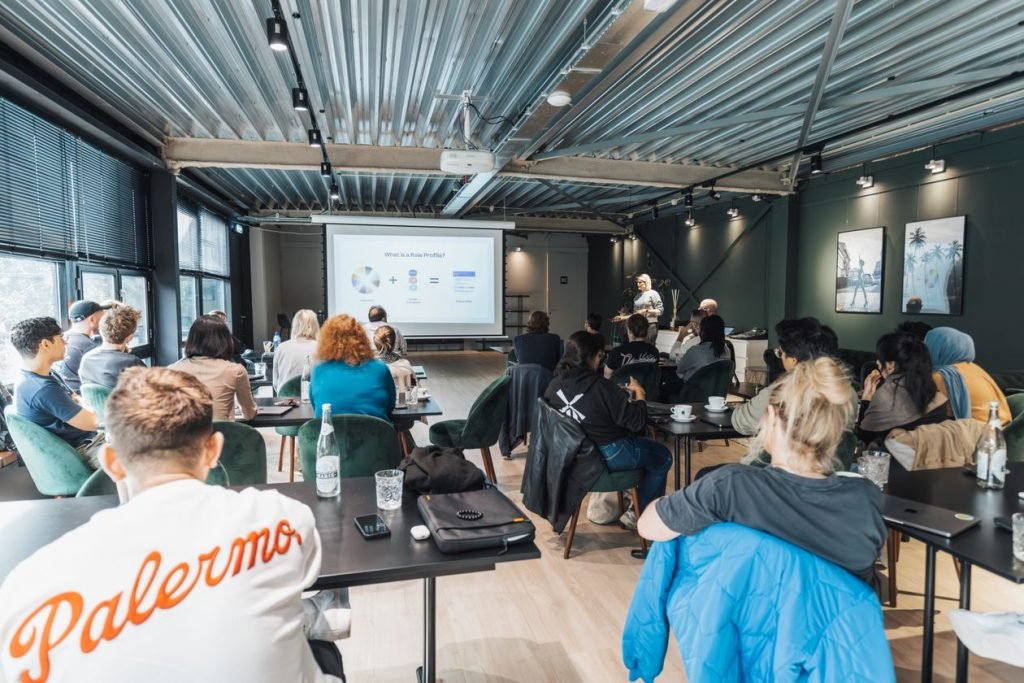
Corporate training connects employee skill development
with long-term business growth.
Choose Corporate Training That Matches Your Business Goals
Choosing corporate training is an important decision for
organizations that want to build stronger teams and remain
competitive. The right program should go beyond simply delivering
information. It should address real skill gaps, provide practical
learning opportunities and support the organization’s business
objectives.
From technical and leadership development to communication,
teamwork and customized employee training, organizations can
choose programs based on their workforce requirements and growth
priorities.
If your company is planning its next employee development
initiative, evaluate your current skill gaps, define measurable
objectives and choose a corporate training provider that can
deliver a practical and customized learning experience.
Ready to Invest in Your Team’s Growth?
Explore corporate training solutions designed to improve employee
skills, strengthen team performance and support your organization’s
business goals.